Healthier futures for Canadian kids: the CHILD study
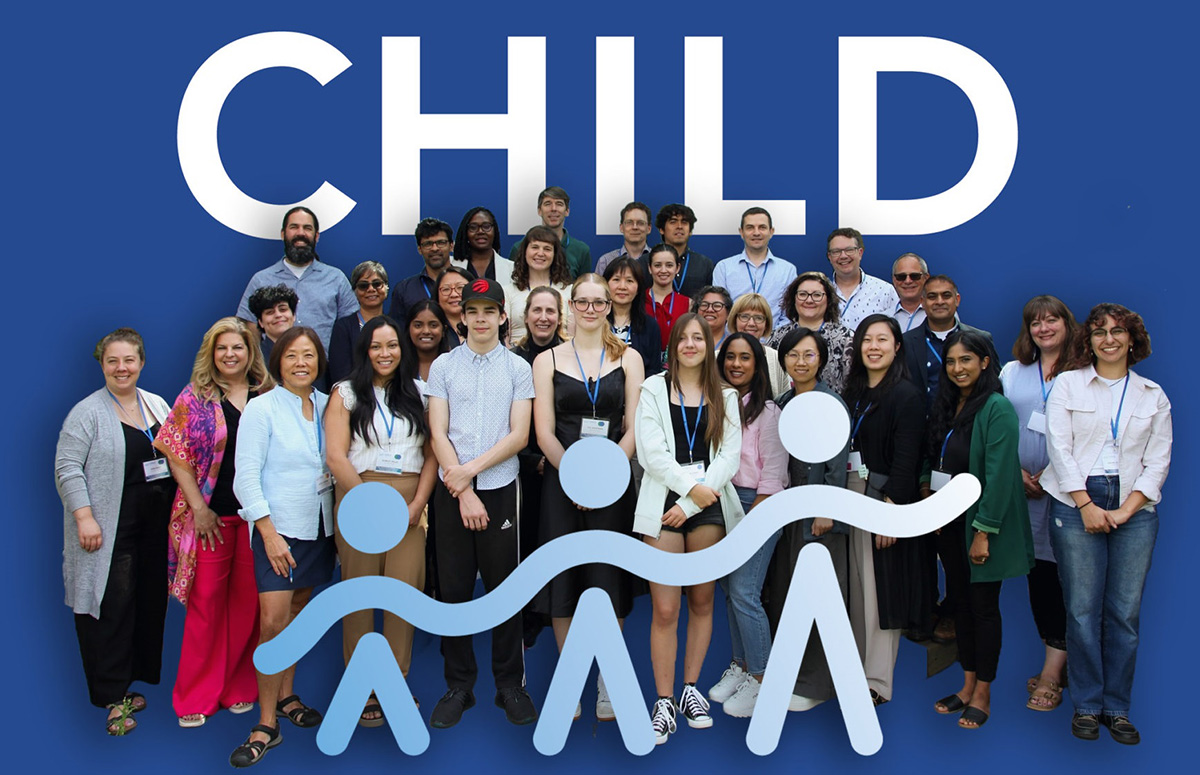
The CHILD Cohort Study, a longitudinal birth cohort study, was launched in 2008 with CIHR support. We're following nearly 3,500 Canadian children from before birth into adolescence and beyond, looking at how their genes and environment influence their health.
With more than 200 published scientific findings so far, the study has generated new diagnostic tools and opened the way to discovering new treatments and preventive strategies for various childhood conditions including allergic disease, asthma, and obesity.
Dr. Padmaja Subbarao
Senior scientist and professor
The Hospital for Sick Children, the University of Toronto, and McMaster University
Working with CHILD data, we developed and tested a simple new screening tool that detects asthma in children as young as two. This tool is a game-changer: It can be used on the spot by family doctors or nurses in a low-resource primary care setting, and it is non-invasive, cost-free, and requires no special equipment. Earlier detection of asthma enables doctors to evaluate kids more closely, and to treat and manage their conditions better.
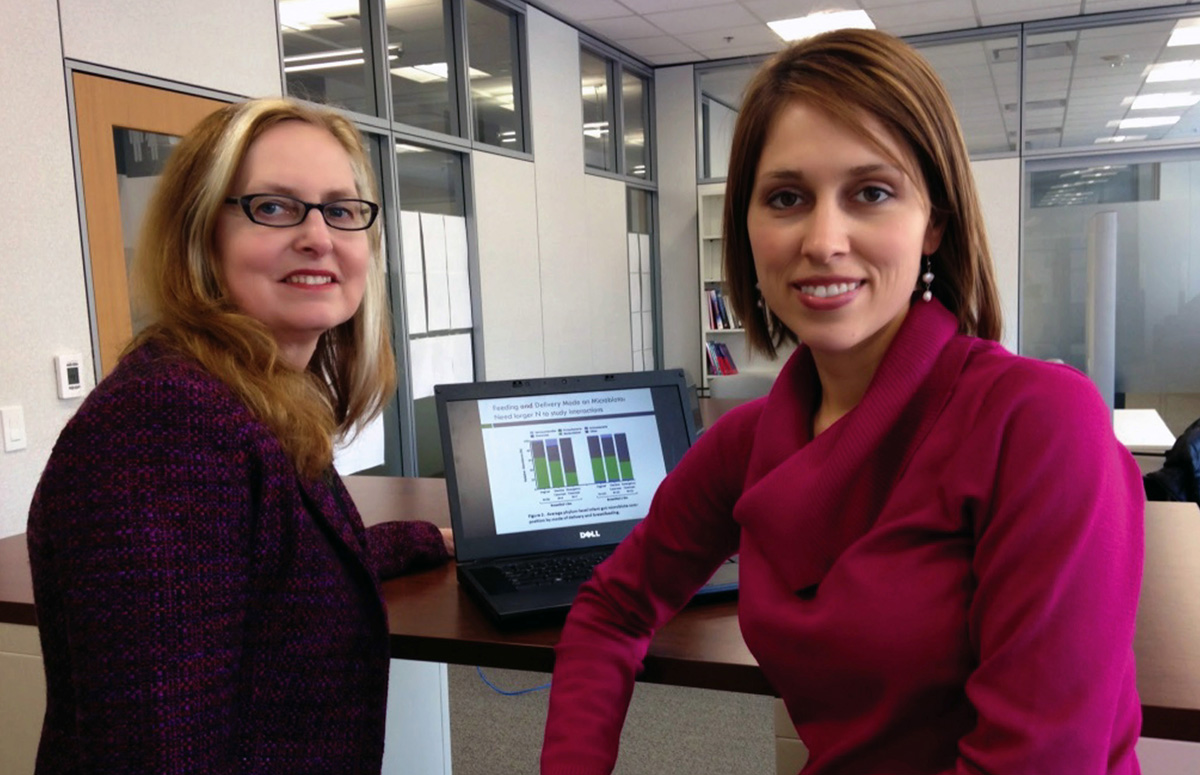
Dr. Anita Kozyrskyj
Professor at the University of Alberta
We found that how a baby is born—whether by C-section or vaginally—influences the baby's gut microbiome, affecting the child's later risk of developing conditions like obesity and allergies. Babies born via C-section are more likely to develop obesity or allergies. This information enables doctors to take early preventative action for babies at higher risk.
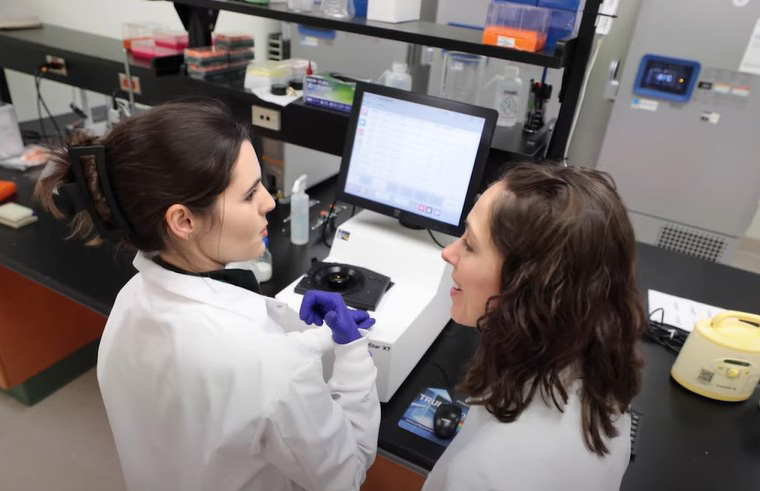
Dr. Meghan Azad
Professor at the University of Manitoba
Using CHILD data, we discovered that children born to moms who drank artificially sweetened drinks daily during pregnancy were twice as likely to be overweight at one year. These kids were also at higher risk of obesity by age three. This association arises partly from how these sweeteners affect babies' gut bacteria. The finding helps pregnant mothers to make informed dietary choices.
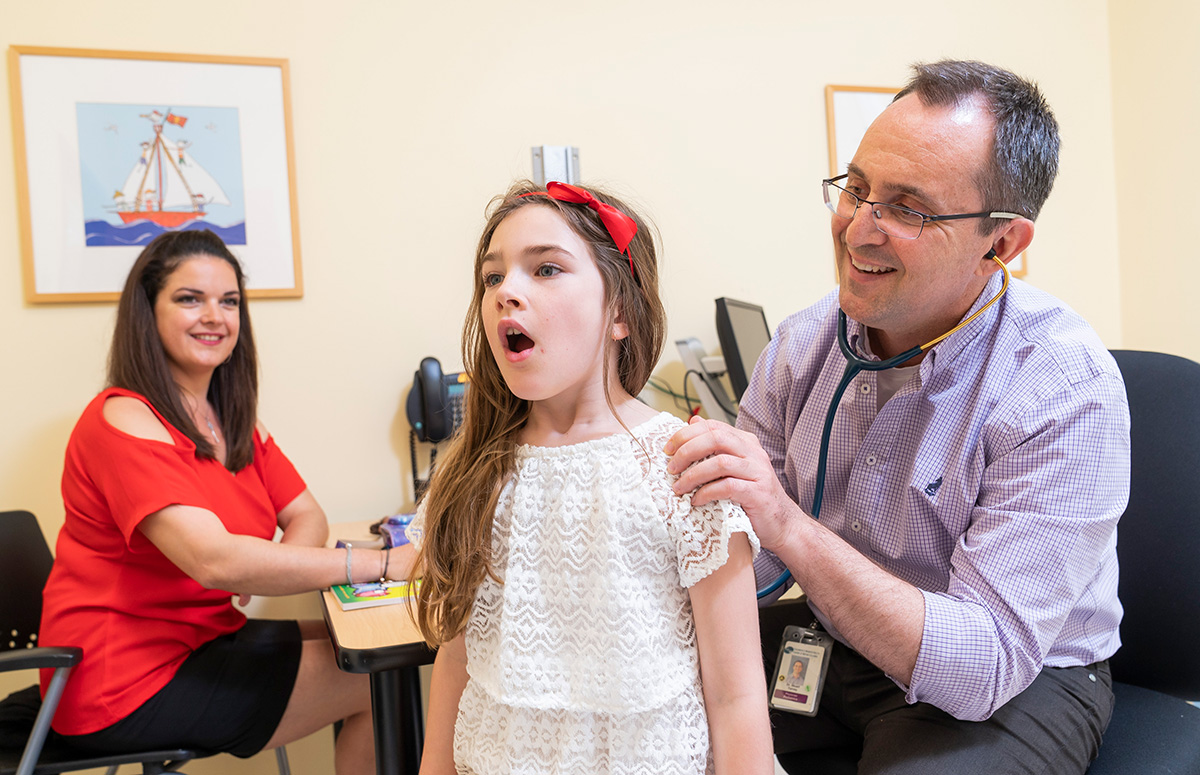
Dr. Stuart Turvey
Professor and Canada Research Chair at BC Children's Hospital Research Institute, University of British Columbia
In analyzing stool samples collected by the CHILD study, we discovered that there was an imbalance in the gut microbiota associated with kids developing eczema, asthma, food allergies, or hay fever by age five. We saw that antibiotic use in a baby's first year of life made allergic disorders more likely, while breastfeeding for the first six months protected against allergies.
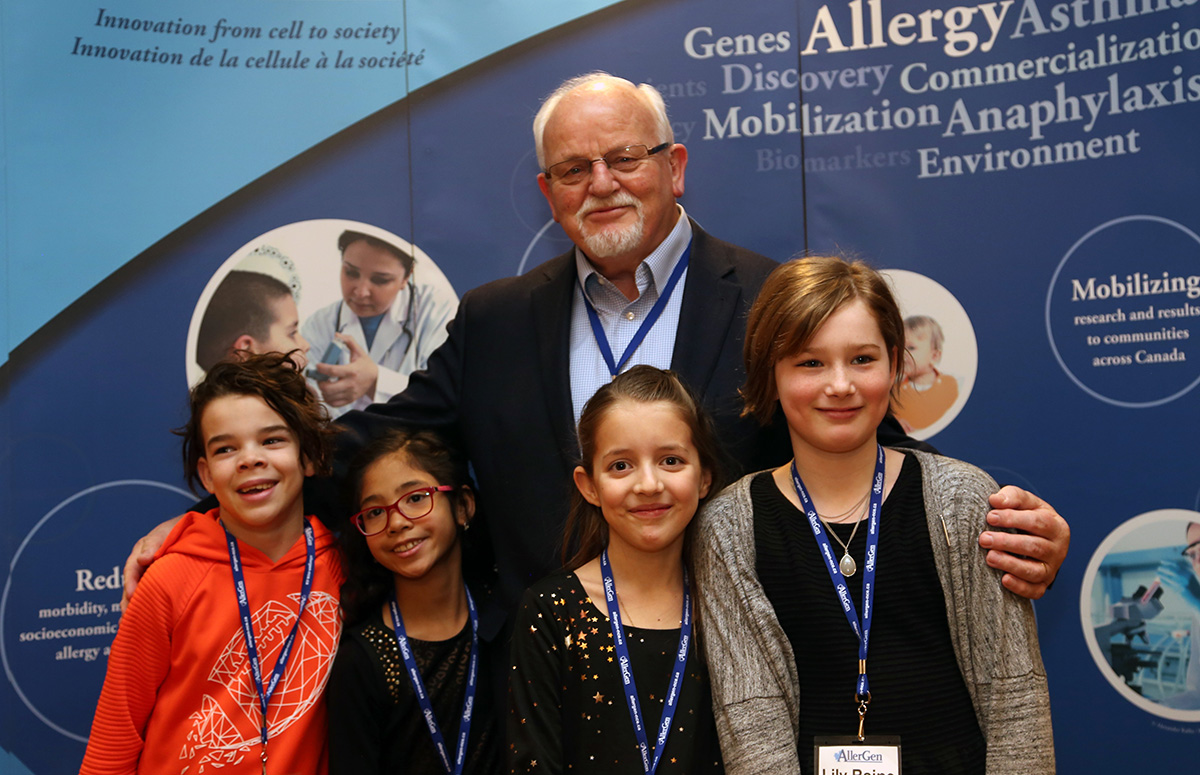
Dr. Malcolm Sears
Professor Emeritus at McMaster University
We skin tested more than 2,300 infants through the CHILD study for sensitization to a range of common food and inhalant allergens in early life and demonstrated that allergic sensitization at one year of age in combination with eczema strongly predicted the development of asthma and food allergies by age five. This finding enables early actions toward preventing or managing these illnesses.
- Date modified: