5 Insights from CIHR-Funded Researchers on Sickle Cell Disease and the Developing Brain
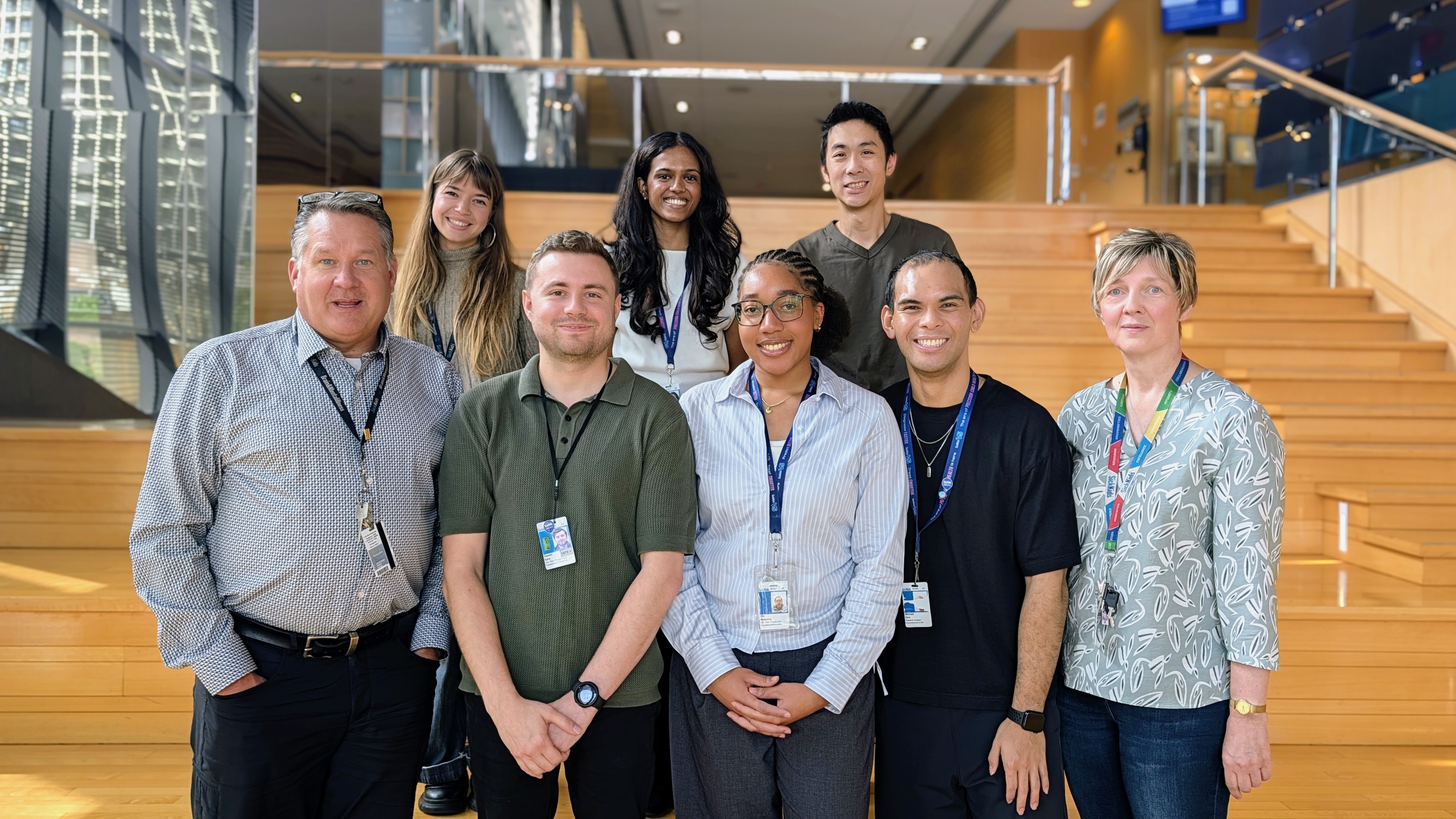
Dr. Kassner and Dr. Don’s research team (from top left):
Laura Ferlanti, Thrisha Uthayakumar, Daniel Li, Dr. Don Mabbott, Daniel Sare, Efe Momodu, Michael Zara, Dr. Andrea Kassner


Most people associate sickle cell disease with its effects on the blood. But for Dr. Andrea Kassner and Dr. Don Mabbott at The Hospital for Sick Children (SickKids), an important question lies beyond the blood itself: how does sickle cell disease affect the developing brain?
Supported by CIHR, their research combines advanced brain imaging, cognitive assessment and measures of brain activity to better understand how blood flow, oxygen delivery and brain function are linked in children living with sickle cell anemia. Their goal is to uncover the less apparent effects of the disease and improve our understanding of which children may be at greater risk of cognitive challenges.
For Sickle Cell Awareness Month, here are five insights from Drs. Kassner and Mabbott on what we know, and what we are still learning, about sickle cell disease and the developing brain.
1. Sickle cell disease can affect the brain, even without obvious neurological symptoms
Sickle cell disease is often thought of as a blood disorder because it affects the ability of red blood cells to carry oxygen throughout the body. But its effects can extend beyond the blood. Reduced oxygen delivery and changes in blood flow can place stress on the brain's blood vessels, and over time some children develop silent cerebral infarcts, small areas of brain injury visible on MRI that occur without recognizable acute neurological symptoms.
2. The effects of sickle cell disease can influence how children learn and process information
Childhood is a period of remarkable brain development, making it especially important to understand how sickle cell disease affects the brain during these early years. One of the areas most commonly affected is information processing speed, which helps children absorb, understand and respond to the world around them. When this process slows, it can make learning, focusing and completing everyday tasks more challenging.
3. Protecting brain health involves more than treating symptoms
Treatments such as hydroxyurea have significantly improved care for many children with sickle cell disease. However, Drs. Kassner and Mabbott's research has shown that some children continue to experience changes in brain blood flow and oxygen delivery despite treatment. Understanding why these differences persist is an important step toward protecting long-term brain health.
4. Novel imaging technologies are helping researchers uncover what routine assessments cannot
Some aspects of brain health cannot be observed during a routine clinical assessment. To better understand how sickle cell disease affects the brain, Drs. Kassner and Mabbott use advanced Magnetic Resonance Imagining (MRI) techniques, cognitive testing and magnetoencephalography (MEG) to examine how blood flow, oxygen delivery and brain function work together. These tools help build a more complete picture of brain health and identify factors that may place some children at greater risk of cognitive challenges.
5. Prevention begins with earlier understanding
Every child experiences sickle cell disease differently. By understanding how blood flow and oxygen delivery influence brain development, Drs. Kassner and Mabbott hope to identify children who may benefit from additional monitoring or support earlier, before challenges become more pronounced. Ultimately, their goal is not only to detect brain injury, but to find ways to prevent or reduce its impact and improve outcomes for children living with sickle cell disease.
Looking Ahead
While sickle cell disease is often recognized for its physical effects, research is revealing important insights into its impact on the brain. Through advanced imaging and cognitive assessment, Drs. Kassner and Mabbott are working to better understand how sickle cell disease affects the developing brain and how these insights could inform future care.
For children and families living with sickle cell disease, a better understanding of brain health could ultimately mean earlier intervention, more targeted care and a better quality of life.
During Sickle Cell Awareness Month, this research highlights an important message: protecting children with sickle cell disease means considering all aspects of their health, including healthy brain development.
- Date modified: