Two minutes with a Scientific Director: Dr. Angela Kaida
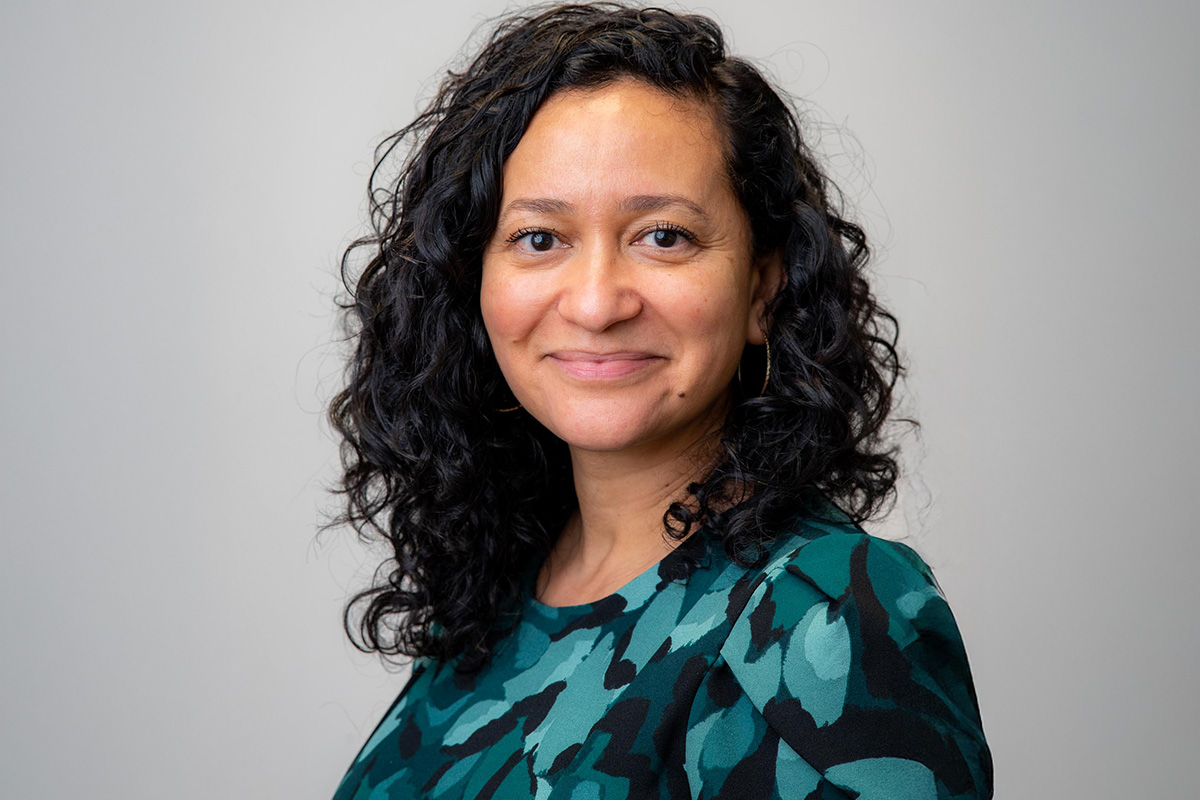
Today, we spoke with Dr. Angela Kaida, Scientific Director of the CIHR Institute of Gender and Health (IGH), to hear what is top of mind in this field of research.
CIHR: What’s happening right now in gender and health research?
Dr. Kaida: Over the last five years, we have seen incredible impacts of health research investments in sex and gender. In fields as diverse as chronic pain, neurosciences, microbiome research, dementia, cancer, inflammation, HIV, and many others, health research is uncovering incredible differences by sex and gender.
While we are seeing progress and scientific discovery when we consider sex and gender, we have not yet turned the corner on addressing the biases in our health research evidence base which is disproportionately informed by research with male cells, male animal models and men.
A key conversation today is the need for an updated National Women’s Health strategy and the evidence base necessary to implement it. Canada must build a health research evidence base that represents female bodies and the experiences of women and gender-diverse people.
CIHR: That makes sense. Have there been consequences of using mostly male models?
Dr. Kaida: Of course! Persistent inattention to sex and gender in health research and the under-representation of females, women, and gender-diverse people contributes to the gendered health inequities we see today.
While women live longer than men, that’s not the whole story. In Canada, women spend 20% more of our lifespan (approximately seven years) in “poor health.” The gaps stem from a lack of evidence leading to treatments and policies that often do not work or are harmful to women.
Case in point, across hundreds of different diseases, women are more likely to experience delays in diagnoses compared with men, and on average these delays are two years. Our symptoms are more likely to be dismissed or minimized. Women are more likely to experience adverse treatment effects than men. Of all medicines withdrawn from the US market for safety reasons, a product is 3.5 times more likely to be withdrawn because of safety risks in women. The status quo is not okay. We need research that includes women and gender diverse people and appreciates how sex and gender affect our health.
CIHR: What’s being done about this?
Dr. Kaida: One of the key priorities of our Institute is to ensure that researchers consider sex and gender in their research. Over the last decade, we have seen a huge increase in the proportion of grant applicants who discuss the sex and gender considerations of their research, and this is a critical first step. In 2024, 83.5% of CIHR-funded grant applications addressed sex and 46.7% addressed gender—a dramatic increase compared to ten years ago.
But there is more work to be done. We need a multi-pronged strategy to address the historical under-investment in women’s health research and the undervaluing of women’s health.
Fixing this problem is a moral imperative and a social and economic one. The McKinsey Health Institute found that closing the women’s health gap would generate $37 billion in additional GDP in Canada per year.
CIHR: That’s a huge number!
Dr. Kaida: Yes, it is a win-win-win. We are working to grow women’s and gender-diverse people’s health research through partnerships and sustained investment, attention, and the valuing of women’s work, our health, our prosperity, and our lives.
We must do better to improve women's health. Research will give us the answers on how to do so.
For more information, please visit the CIHR Institute of Gender and Health
- Date modified: