CIHR Invests $1.5 Million in Rapid Response Research on Wildfire Impacts in Indigenous Communities
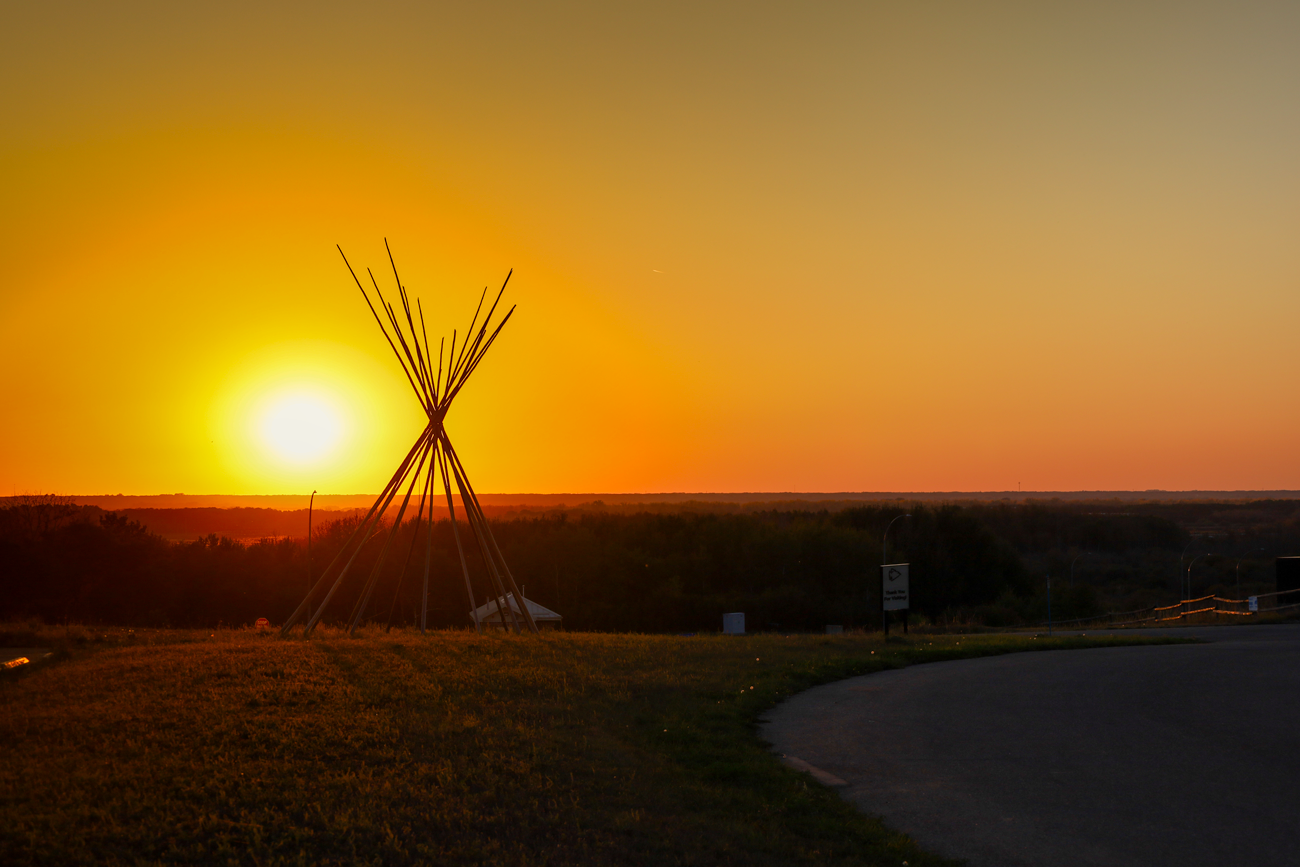
The Canadian Institutes of Health Research (CIHR), with support from the Centre for Research on Pandemic Preparedness and Health Emergencies (CRPPHE), has awarded a $1.5 million grant to the National Coordinating Centre of the Network Environments for Indigenous Health Research (NCC-NEIHR). This funding is being used to launch a rapid response research initiative to study the effects of wildfire evacuations on Indigenous communities.
As the flagship program of the Institute of Indigenous Peoples’ Health, the NEIHR program supports a national network of Indigenous-led research centres focused on health priorities for First Nations, Inuit, and Métis PeoplesFootnote 1. Among their recent initiatives, this wildfire rapid research response was developed to address an urgent wildfire situation in the summer of 2025 across the northern regions of Saskatchewan and Manitoba. At the same time, this approach responded to on-the-ground conversations with those affected, who have been calling for stronger research, evidence, and attention to the supports needed during and after climate-related emergencies.
As climate change continues to contribute to more frequent wildfires in Canada, Indigenous communities are experiencing a disproportionate impact. For instance, current estimates suggest that First Nations communities represent around 42% of wildfire-related evacuations, despite being only 5% of the national populationFootnote 2.
Métis communities have also faced severe consequences. In the summer of 2025, wildfires in Métis Nation–Saskatchewan Northern Region III (NRIII) led the Minister of Self-Determination and Self-Government, Brennan Merasty to declare a state of emergency. He stated, “We are witnessing the destruction of traplines, harvesting areas, traditional medicines, and critical habitats—the very foundations of our way of life. These are not just environmental losses; they are direct threats to our section 35 rights under the Constitution. This is not only an environmental crisis—it is a constitutional and cultural emergency.”Footnote 3
In Manitoba, over 12,400 households evacuated during the 2025 wildfires, including 7,300 supported by Indigenous Services CanadaFootnote 4.
With this funding, Dr. Robert Henry, Canada Research Chair in Indigenous Justice and Wellbeing at the University of Saskatchewan, and lead of NCC-NEIHR, is collaborating with First Nations and Métis communities in northern Saskatchewan and Manitoba. Together, they are designing and advancing research projects that assess the impacts of wildfires and evacuations on First Nations and Métis Peoples and communities. This work also includes exploring rapid research approaches that can be used to respond to future emergenciesFootnote 5.
The findings of this research can help raise awareness about the specific effects of wildfires and evacuations on Indigenous communities. They can also inform emergency management strategies and support trauma-informed care practices. At the policy level, Dr. Henry hopes these insights will reach decision-makers, helping to build a more responsive and effective support systems for Indigenous communities during environmental crises.
- Date modified: