When the cure costs too much: A clinical trial that’s reimagining access to medicine in Canada
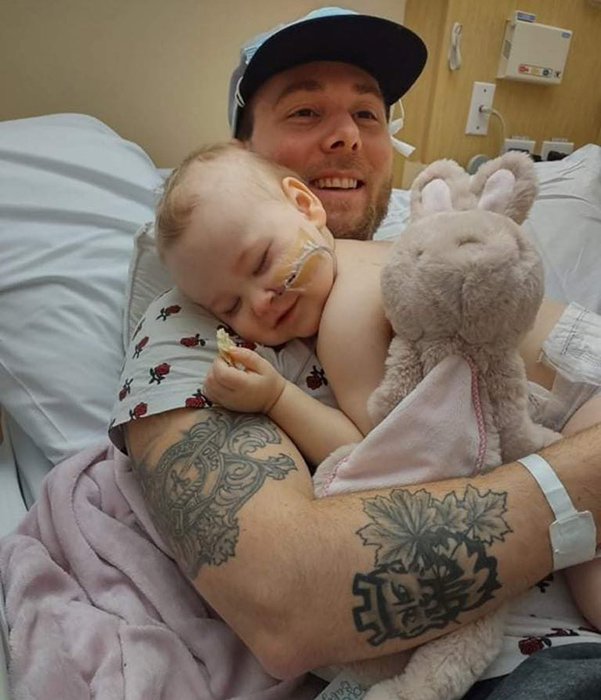
When Scott MacMillan watched the helicopter carrying his 15-month-old daughter lift off for the nearest hospital, he didn’t yet know the term diabetic ketoacidosis. He only knew that Rosemary—tiny, feverish, fighting for her life—urgently needed help.
“Medicare saved my daughter’s life in an emergency,” he says. “But pharmacare is what will keep her alive.”
In the months that followed, MacMillan learned what millions of Canadians already know: our health care system, for all its universality, stops at the pharmacy counter. Even relatively inexpensive medications can force impossible choices between paying for groceries, heat and health care.
His family’s experience reflects a broader gap in Canada’s health system. Most Canadians rely on medication: two-thirds took or were prescribed one in 2021, according to Statistics Canada, yet Canada remains the only country with universal health care that doesn’t include prescription drugs. For approximately 7.5 million people, that means paying full price or going without.
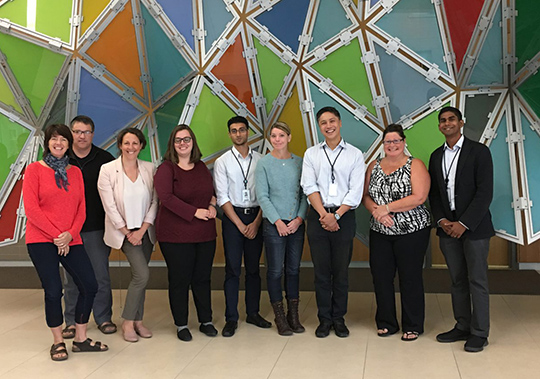
That gap is what drove Dr. Navindra Persaud, a Toronto family physician and researcher, to launch the CLEAN Meds clinical trial, a CIHR-funded study that tested what would happen if people simply received the medications they needed, free of charge.
“Millions of Canadians report not taking medication because of cost,” says Dr. Persaud. “The estimates vary, but it may be around two million people. And that doesn’t even include those who don’t seek care in the first place because they know they can’t afford the treatment.”
Conducted at three Ontario sites, the trial provided patients with 128 essential medicines—everything from insulin and blood-pressure pills to contraception—at no cost. The results were striking: participants took their medications more consistently, reported better health and made fewer hospital visits.
For Dr. Persaud, the findings confirmed something simple yet profound: “If people can afford their medicine, they take it—and they stay healthier.”
But CLEAN Meds was about more than numbers. It was co-designed with patients and community members through a Community Guidance Panel that shaped everything from participant recruitment to how medicines were dispensed. Panel member Diane Charter, a retired health care worker, remembers team members standing on Toronto street corners wearing T-shirts that read “Free Medicine?” to spark conversations.
MacMillan, meanwhile, became a vocal advocate for diabetes and Pharmacare after his daughter’s diagnosis, though his support for and interest in Pharmacare predate that moment. “As an engineer, I’ve always believed in prevention and efficiency,” he says. “Pharmacare isn’t just compassion; it’s preventative maintenance for our health care system.”
Even with insurance and a provincial program, MacMillan says his family still faces out-of-pocket costs for supplies, equipment and the extra resources needed to manage Rosemary’s condition safely.

“Insulin isn’t a luxury—it’s oxygen,” he says. “The pumps and sensors that keep her alive are like water.”
Dr. Persaud’s work has already helped inform the national conversation on drug coverage. And while the CLEAN Meds trial ended in 2020, its influence continues. His team has since turned its focus to another social determinant of health: food. A new study is providing monthly vouchers for healthy groceries to people with Type 2 diabetes. Early findings suggest improved nutrition and reduced food insecurity.
For Dr. Persaud, what ties these studies together is simple fairness. “In a country that prides itself on universal health care,” he says, “people shouldn’t have to choose between eating, paying rent or taking their medicine.”
As for MacMillan, he says that Rosemary is flourishing, earning “student of the day,” building friendships and embracing school life with confidence. “Our goal is for her to be included without stigma—to be a kid first, diabetes second,” he says.
At a glance
Issue
Millions of Canadians struggle to afford essential medications because Canada’s universal health system doesn’t include prescription drug coverage.
Research
Through the CIHR-funded CLEAN Meds trial, Dr. Navindra Persaud and his team tested what happens when patients receive free access to essential medicines and found that removing cost barriers leads to better health, greater adherence and fewer hospital visits.
- Date modified: