The overlooked link between hormones and the female brain
Women experience dramatic hormonal changes throughout their lives, from puberty to menopause. Yet how these shifts affect the female brain is still a mystery, remaining largely unexplored in neuroscience.
“For a long time, we were told hormonal changes in pregnancy and menopause had little or no impact on the female brain,” says Dr. Liisa Galea, a neuroscientist at the Centre for Addiction and Mental Health and the University of Toronto. That misconception, she explains, is not surprising given that only 3% of neuroscience studies focus exclusively on female health.
Dr. Galea is working to change that. Her research, funded by CIHR, explores how hormonal changes, from adolescence to old age, influence the female brain. She’s also advocating for health care that reflects women’s unique experiences.
In a recent review, Dr. Galea highlights how fluctuations of hormones during pregnancy can have long-lasting effects. By the 30th week of pregnancy, a key hormone in the family of estrogens surges to levels 300 times higher than at any other point in life before dropping sharply after birth.
These hormonal fluctuations have been linked to changes in brain regions like the hippocampus and frontal cortex.
“A significant amount of neuroplasticity occurring during pregnancy and the postpartum is connected with infant bonding, but these changes in the brain extend even into middle age,” says Dr. Galea. Recent studies in mice and humans have linked the experience of pregnancy with reduced brain aging later in life. For Dr. Galea, the message is clear: the long-term effect of pregnancy deserves greater attention in neuroscience.

According to Dr. Galea’s research, menopause is another critical hormonal transition, one that can significantly affect the female brain and, in some cases, increase the risk of neurodegenerative diseases. But its impact varies depending on the type of menopause symptoms experienced, and individual biology. A personalized approach to hormone therapy based on a patient’s medical history is essential to improve symptoms and reduce risks.
Using data from the Canadian Longitudinal Study on Aging, Dr. Galea examined the effects of hormonal therapy on brain health in more than 7,000 postmenopausal participants. The findings showed that estradiol (a type of estrogen) delivered through the skin may improve episodic memory—a form of memory often disrupted early in dementia.
But Dr. Galea believes that supporting women’s brain health requires addressing systemic bias in health care from medical training to patient care. That change starts with more inclusive care, and for her, that means urging health care providers to take patients’ symptoms seriously.
“Women’s symptoms across a wide variety of disorders are often described as atypical and dismissed, despite women making up half the population,” she says. “How can we be considered atypical? A part of my work is trying to reverse these biases in the medical system.”
Additionally, Dr. Galea calls for better training on hormonal transitions like perimenopause and menopause and warns that such gaps in medical education can lead to misdiagnosis and delayed diagnosis. Inadequate care related to menopausal symptoms can have much broader economic and societal implications. According to the Menopause Foundation of Canada, one in ten people leave the workforce due to menopause symptoms.
“We need to address the significant gaps in women’s health research and the lack of detailed data on women's health” concludes Dr. Galea. “Only then can we influence clinical practice to meet women's unique health needs throughout their lives.”
At a glance
Issue
More than half of Canada’s population is female, yet the effects of hormonal fluctuations on women’s brains remain significantly understudied. This critical gap in health research limits the development of evidence-based care, accurate diagnosis, and effective treatment options for women.
Research
Dr. Liisa Galea is advancing neuroscience by uncovering how hormonal changes shape the female brain across the lifespan. Her research demonstrates the potential of personalized hormone therapy to support brain health.
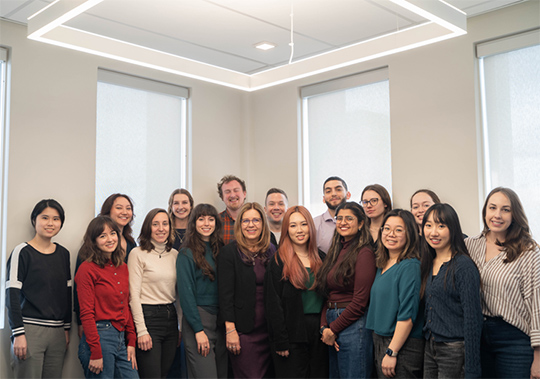
Dr. Galea works with a team of researchers at the Galea Lab | Lab of Behavioral Neuroendocrinology. She also leads the Women's Health Research Cluster, which provides resources, networking opportunities, and advocacy tools for researchers, clinicians, and the public.
- Date modified: